Invest in Energy Baltics

Energy investment platform · Latvia · Estonia · Lithuania

Invest in Baltic energy. Co-invest in the battery storage the grid now runs on.

Since February 2025 the three Baltic states balance their own power system, and that created a new market for fast, flexible capacity. Invest in Energy opens it to investors: we develop battery storage projects, operate them under our aggregator licence, and offer each one to co-investors as a named, documented investment.

  • Invest project by project, in named assets
  • Project file, revenue assumptions and risks shared before any commitment
  • Regular reporting on availability, activations and revenue
Why invest in Baltic energy now

Investor enquiry

Start investing in energy.

Tell us who you are and what you're looking for. A member of the team, not a sales robot, will reply within two working days.

I am

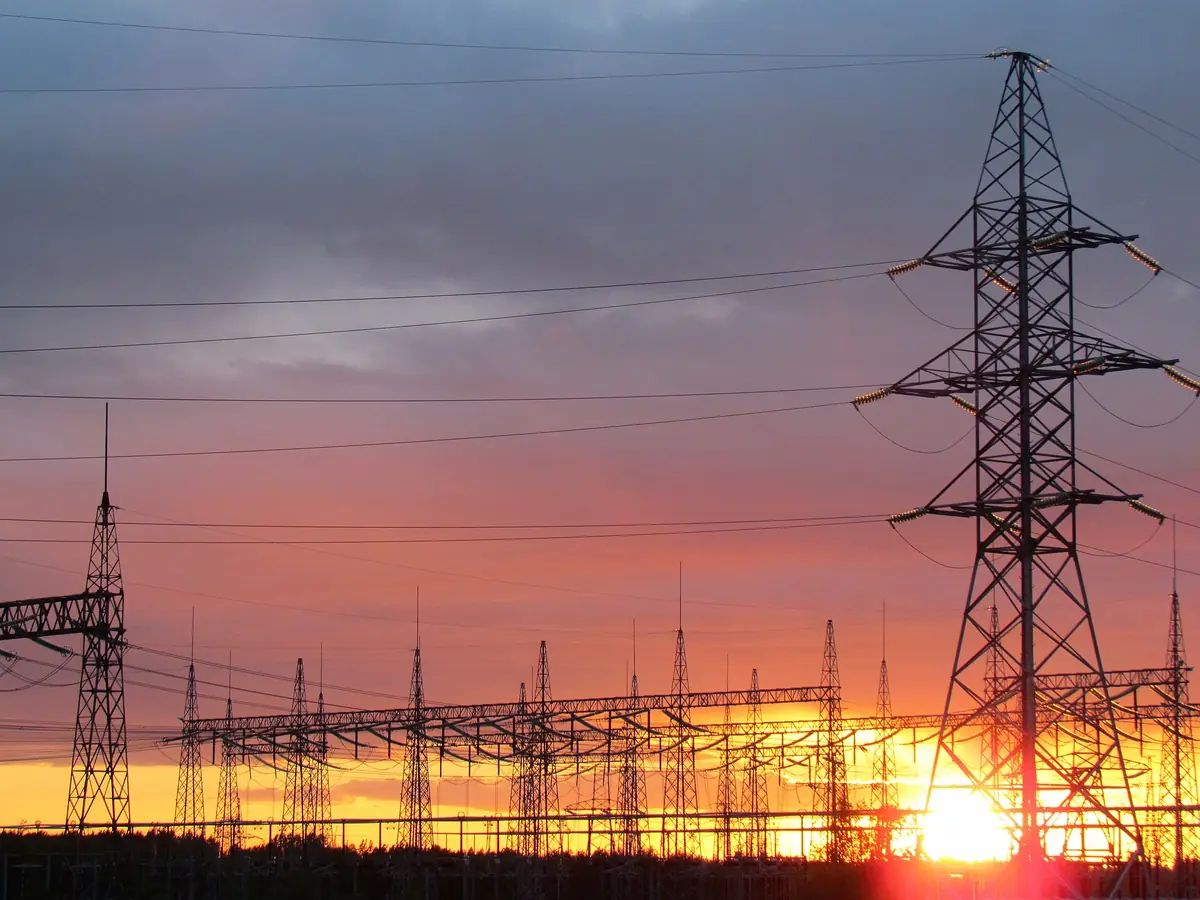
Electrical substation at dusk · Photo: Jurikon, CC BY-SA 4.0

01

Why invest in Baltic energy now.

For decades the Baltic power system was frequency-controlled from Moscow as part of the BRELL ring. On 8 February 2025 it disconnected, ran as an island for a day, and on 9 February joined the Continental European synchronous area.

Balancing became a local job overnight. The three transmission system operators, AST, Elering and Litgrid, now procure their own reserves (FCR, aFRR and mFRR) through a joint Baltic balancing market. Every megawatt of reserve has to come from assets inside the region.

Meanwhile wind and solar are being added faster than the grid can absorb them at midday, and evening peaks are still met by imports. Wide daily price spreads follow. Today in Latvia the gap between the cheapest and most expensive quarter-hour is 285 €/MWh.

Those spreads and the new reserve market are what an energy storage investment earns from.

Schematic of Baltic interconnectors Estlink 1+2 · 1 016 MW NordBalt · 700 MW LitPol · 500 MW Harmony Link · planned Finland Sweden Poland Estonia197 €/MWh Latvia215 €/MWh Lithuania216 €/MWh
Interconnectors to the Nordics and Poland. Not to scale. Node values show today's average day-ahead price.
9 Feb 2025
Synchronised with Continental Europe
3 TSOs
AST, Elering, Litgrid, one balancing market
3 zones
LV, EE and LT day-ahead bidding zones on Nord Pool
15 min
Market time unit for day-ahead and balancing
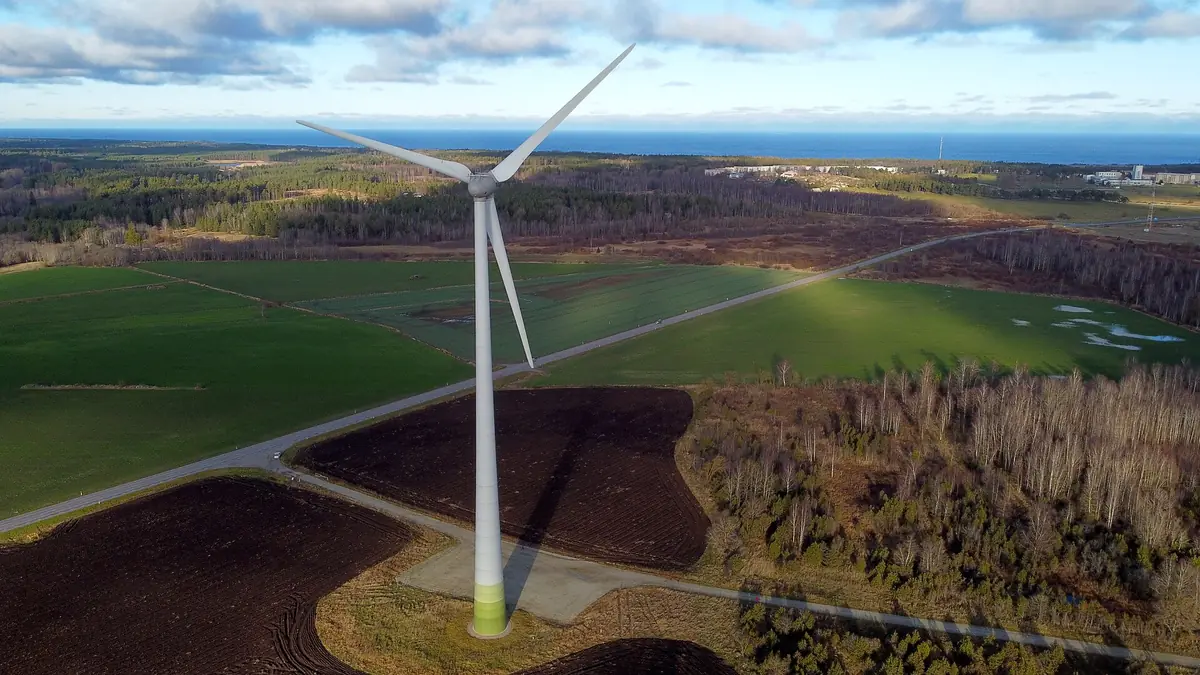
Aerial view of a single wind turbine among fields and forest near Kunda, Estonia, with the Gulf of Finland on the horizon

Wind and solar arrive when the weather allows. Demand peaks when people come home. Storage is what connects the two.

Wind turbine near Kunda, Estonia · Photo: Sillerkiil, CC BY-SA 4.0

02

What you invest in: battery storage, and how it earns.

A battery energy storage system (BESS) can respond in under a second, charge when power is cheap and discharge when it isn't. That is what makes it an investable energy asset: one battery can stack several revenue lines and switch between them as markets move.

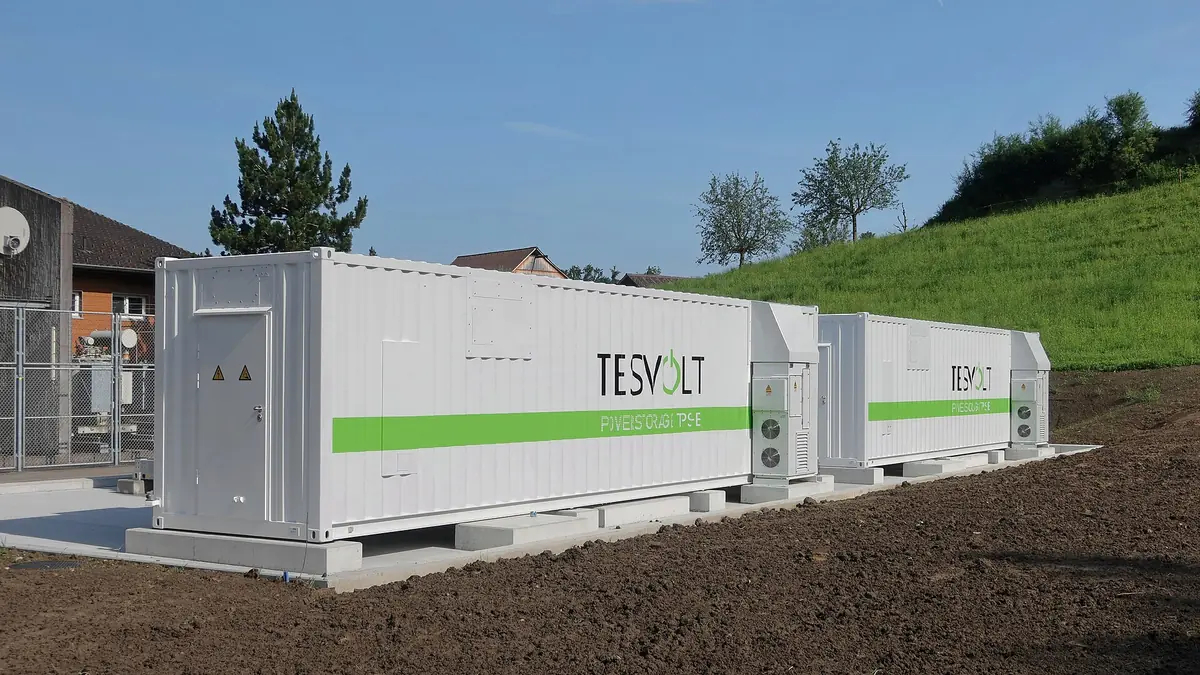
Two white containerised battery storage units on a gravel pad beside a grassy slope
Containerised battery storage, Rheineck, Switzerland · Photo: Kecko, CC BY 2.0
  1. A

    Balancing capacity

    Reserve payments from the TSOs for keeping capacity available for FCR, aFRR and mFRR. This is the line that changed most after synchronisation.

    Reserve
  2. B

    Energy arbitrage

    Charging in low-price quarter-hours and selling into the evening peak on the day-ahead and intraday markets.

    Wholesale
  3. C

    Activated balancing energy

    Payment for energy actually delivered when the TSO calls on the reserve, priced per activation.

    Activation
  4. D

    Behind the meter

    For commercial and industrial sites: peak shaving, lower connection charges, backup supply and more value from on-site solar.

    C&I

Inside a BESS

  • Battery modules Lithium iron phosphate cells, rated in MWh of energy.
  • BMS The battery management system protects cells and balances state of charge.
  • PCS / inverter A bidirectional link between DC storage and the AC grid, rated in MW of power.
  • EMS The energy management system decides when to charge, discharge or hold reserve.
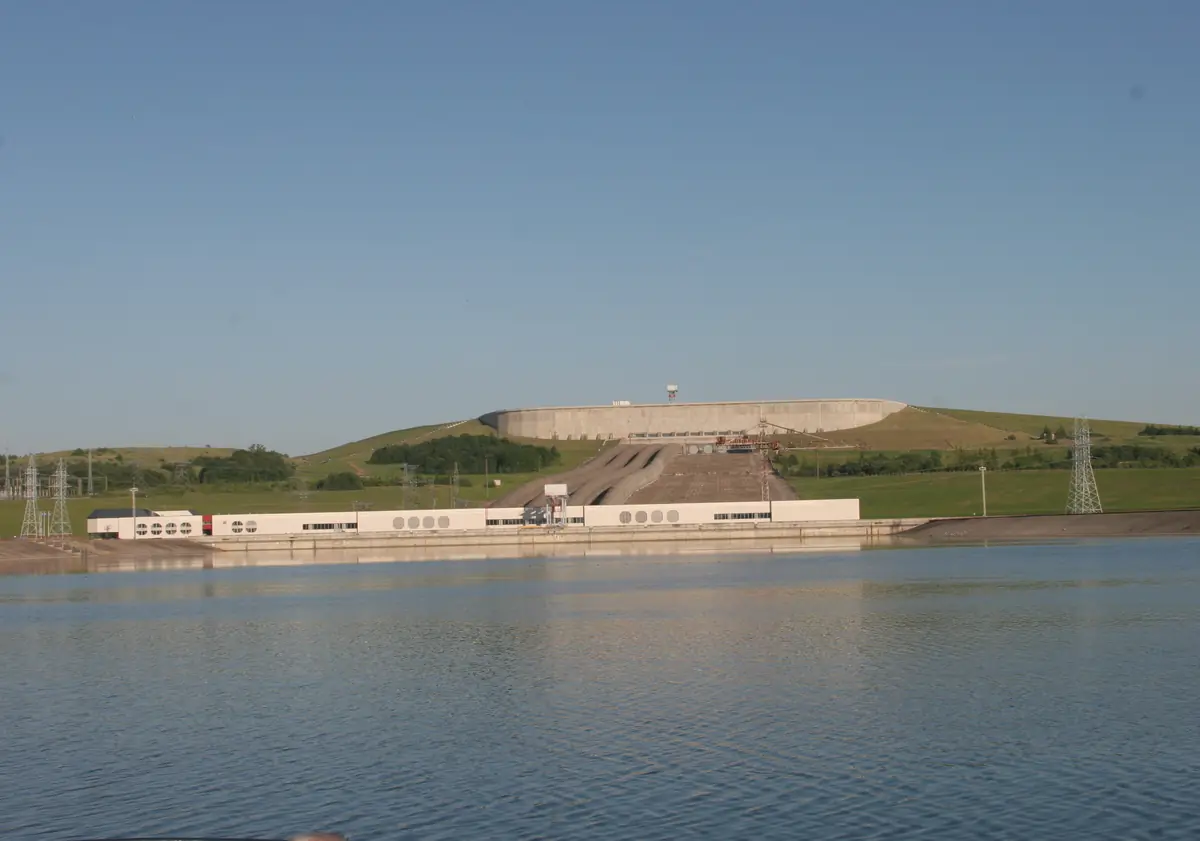
Kruonis pumped-storage plant: the powerhouse below a hillside reservoir, beside the Kaunas reservoir lake
Kruonis pumped-storage plant, Lithuania · Photo: Shimatonis, Public domain. Storage is not new here: pumped hydro already balances the Lithuanian grid. Batteries add speed and can be built where the grid needs them.

03

Three countries to invest in, one balancing area.

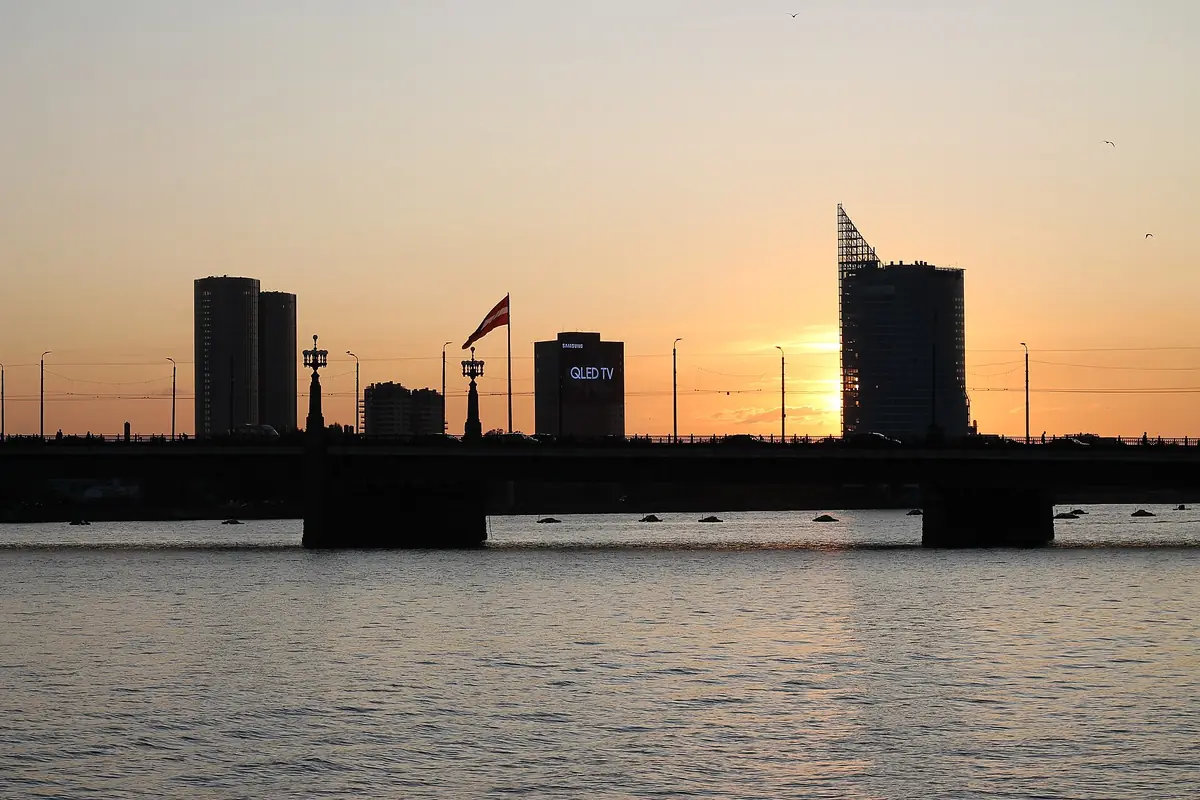
Riga skyline at sunset seen across the Daugava, with the Latvian flag on the bridge
Riga and the Daugava, Latvia · Photo: John Samuel, CC BY-SA 4.0

Today's average

215€/MWh

Range 39 – 324

Our home market. Latvia sits between the two interconnected neighbours and relies heavily on hydro from the Daugava cascade, which makes its prices closely coupled to Lithuania. Our team is in Riga and holds a Latvian aggregator licence, so we can operate storage in the balancing market directly.

Transmission operator
AST (Augstsprieguma tīkls)
Regulator
SPRK, Public Utilities Commission
Interconnections
Estonia and Lithuania; reaches Nordic and Polish markets through both neighbours
Bidding zone
Nord Pool LV

04

How your energy investment is built, from land parcel to dispatch.

  1. 01

    Site & grid

    We secure land near substations with real connection capacity, and handle permits and the grid connection agreement.

  2. 02

    Engineering

    We size power and duration against the revenue stack, choose the hardware and design for safety and long service life.

  3. 03

    Build

    We supply, install and commission the system with experienced contractors and hand over a fully tested asset.

  4. 04

    Operate & trade

    We bid the asset into balancing and wholesale markets under our aggregator licence and monitor it every day.

  5. 05

    Report

    Co-investors receive regular reports on availability, activations and revenue for each project.

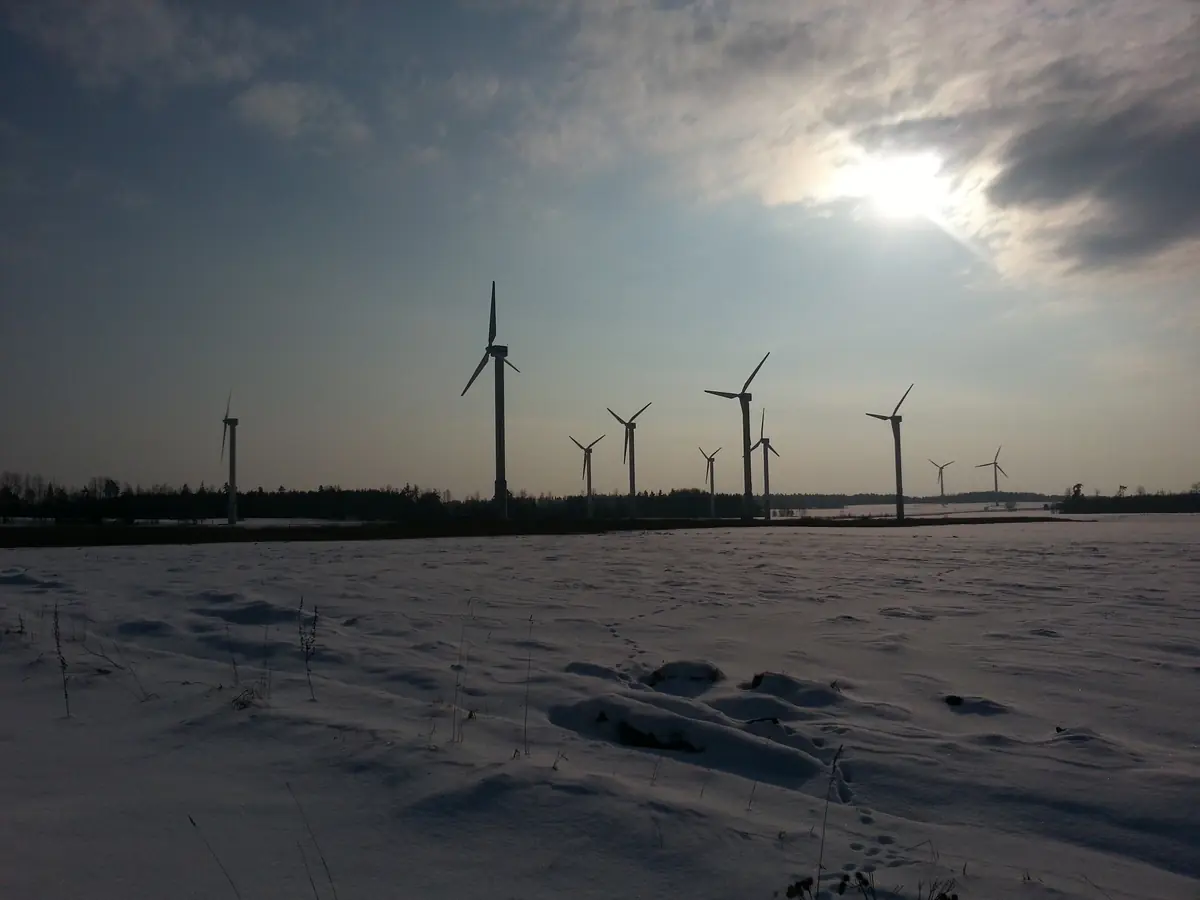
Wind turbines in silhouette over a snowy field at Alsunga, Latvia
Wind

Output follows the weather, not demand. Storage moves it to the hours that need it.

Wind farm at Alsunga, Latvia · Photo: Maris Teteris, CC BY 3.0
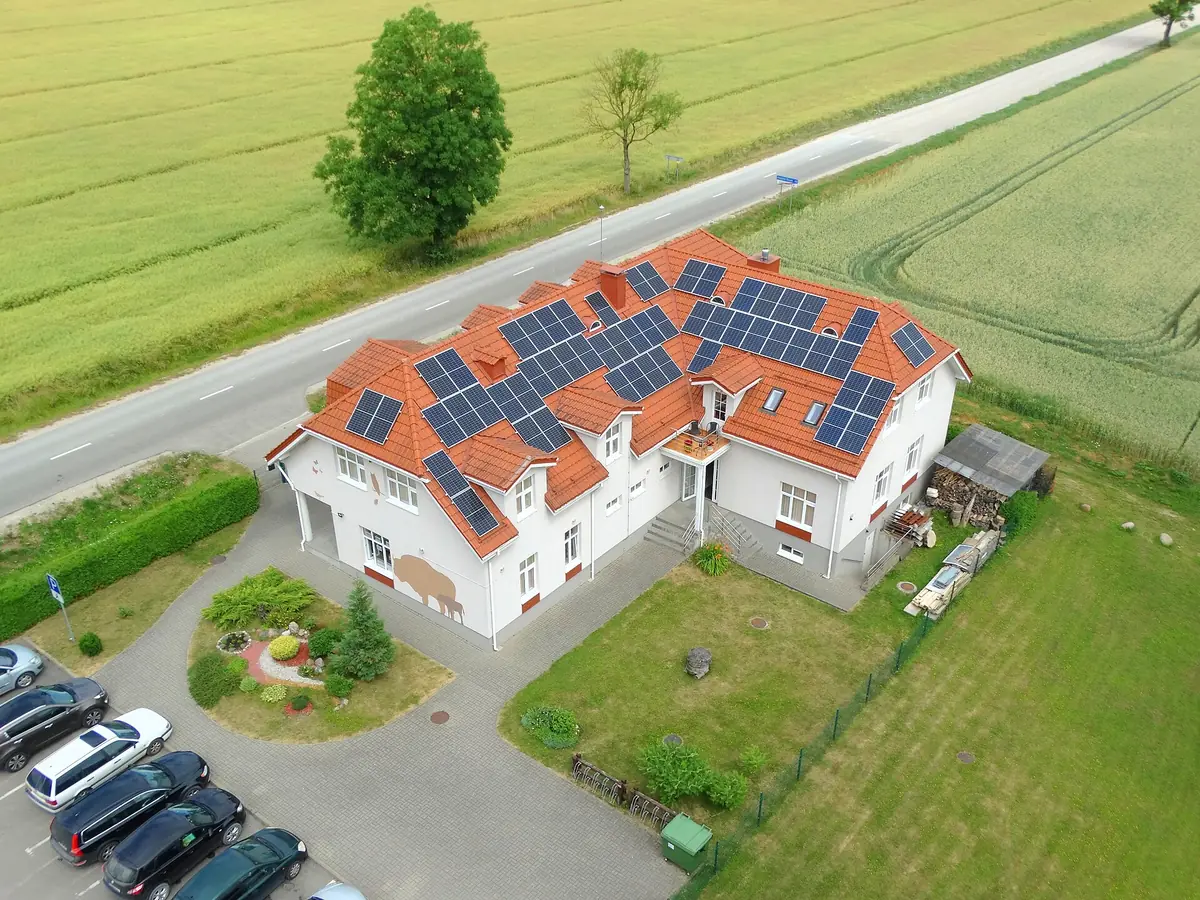
Aerial view of a building with solar panels on its red-tiled roof, Krekenava, Lithuania
Solar

Midday surplus pushes prices down. A battery buys it and sells into the evening peak.

Rooftop solar, Krekenava, Lithuania · Photo: Vilensija, CC BY-SA 3.0
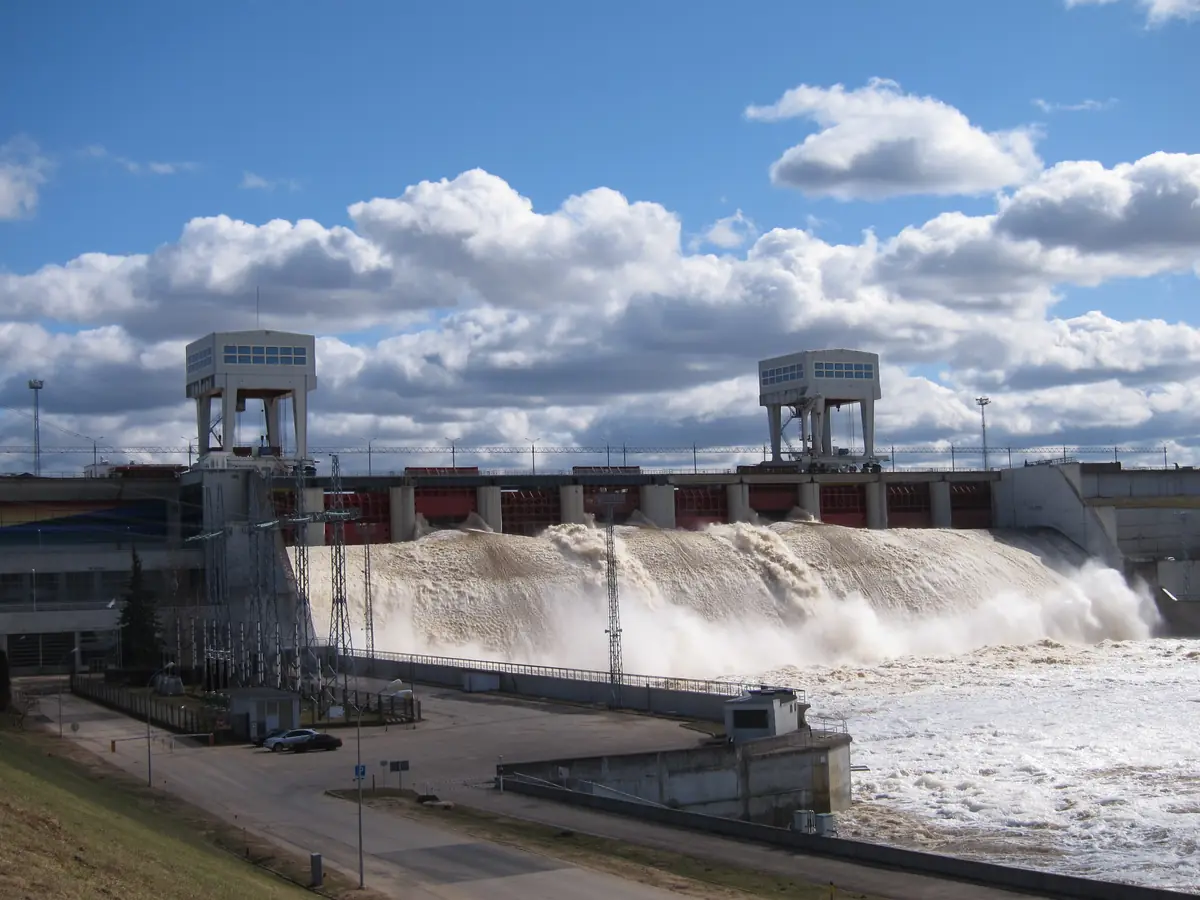
Pļaviņas hydroelectric dam on the Daugava with its spillway gates open
Hydro

The Daugava cascade is Latvia's flexible backbone. Batteries add sub-second response alongside it.

Pļaviņas hydro plant on the Daugava, Latvia · Photo: Jānis Vilniņš, CC BY-SA 3.0

For investors

Co-invest in specific, identified projects.

Each participation is tied to a named asset with its own site, connection and budget. We share the project file, the assumptions behind the revenue model and the risks before any commitment.

Request the project overview
For landowners & businesses

Land near a substation, or a large connection you underuse?

We lease or partner on suitable sites across all three countries. We also build behind-the-meter storage for commercial and industrial users who want lower peaks and backup power.

Tell us about your site

05

How the investment opportunity opened.

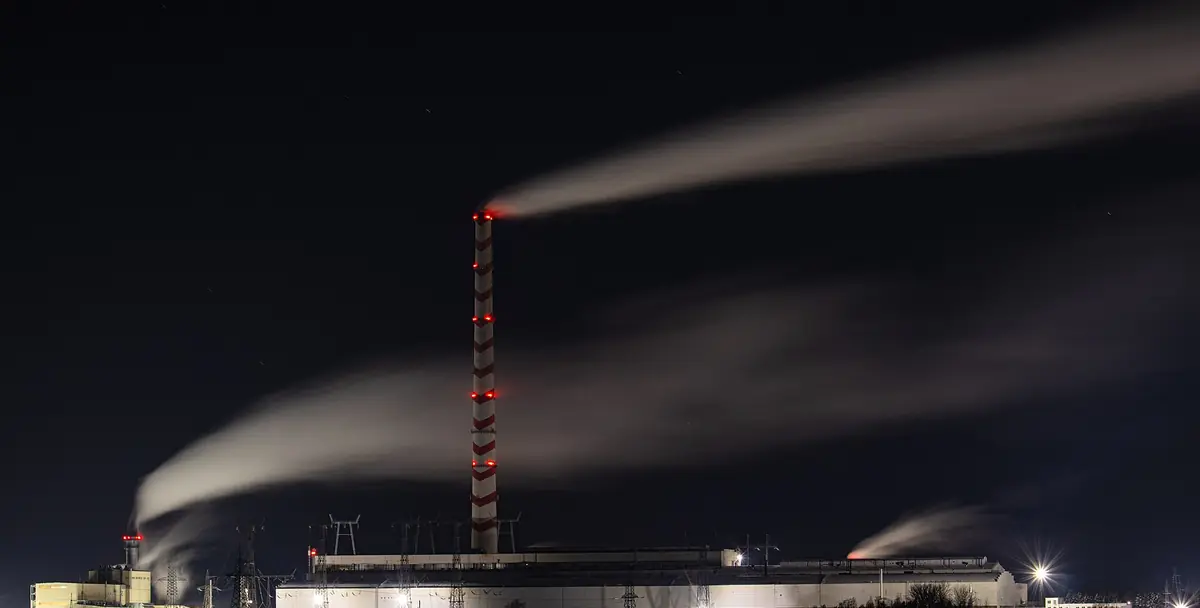
Elektrėnai power plant at night, with steam rising from its tall chimney
Elektrėnai power plant at night, Lithuania · Photo: Nepanikok, CC BY-SA 4.0
  1. Demand rises with the heating season

    Latvian electricity consumption reached 596 GWh in October, up 13% on September.

  2. Synchronisation date confirmed

    Continental European TSOs approved a two-day isolated-operation test followed by synchronisation of the Baltic grids.

  3. Common reserve methodology

    Baltic TSOs set out a market-based method for sharing cross-border capacity for aFRR and mFRR balancing reserves.

  4. Island test, then synchronisation

    The Baltic system disconnected from BRELL, ran on its own for a day, then synchronised with Continental Europe.

  5. Local balancing market

    Reserves are now procured inside the region. That created a lasting need for fast, flexible capacity.

06

Talk to us about investing in energy.

Prefer to call or write? Reach the investment team directly, or send the enquiry form at the top of the page.

Send an investor enquiry
Email
[email protected]
Phone / WhatsApp
+371 269 555 66
Office
Republikas laukums 3-12, LV-1010 Rīga, Latvia